
How Regular Preventive Maintenance Keeps Fleet Vehicles Running Without Downtime
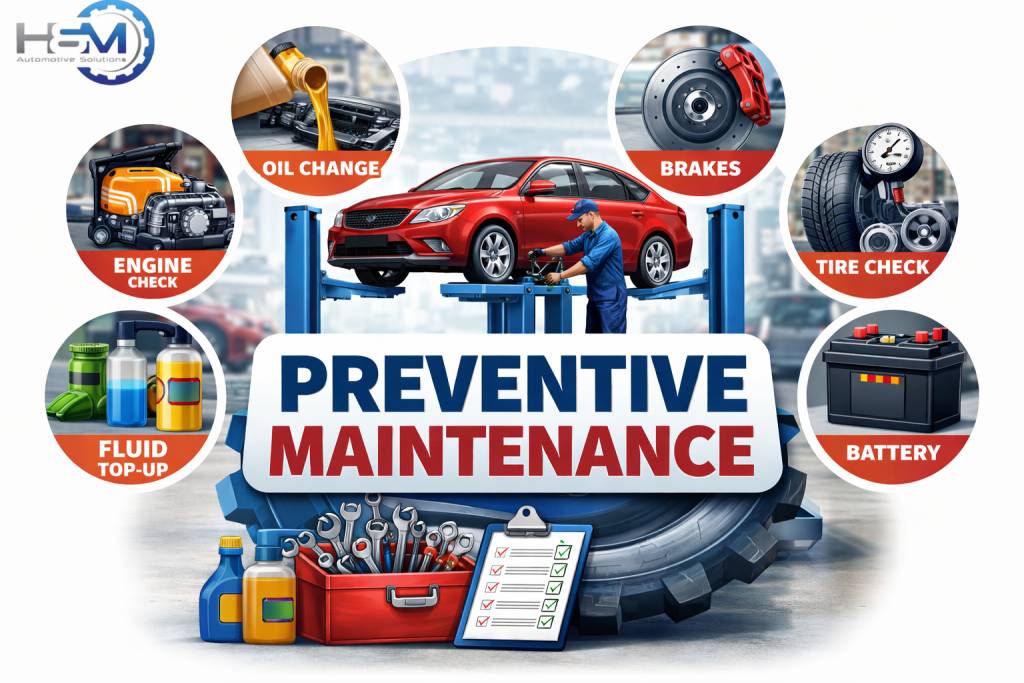
One unexpected vehicle breakdown can disrupt an entire day of operations. Missed deliveries, delayed projects, and unhappy customers often start with a single vehicle that wasn’t serviced on time.
That’s why businesses rely on preventive maintenance – a proactive fleet servicing strategy that keeps vehicles inspected, serviced, and repaired before problems turn into costly downtime.
For fleets operating in Perth WA, scheduled maintenance is even more important. Long distances, heavy workloads, and harsh conditions like heat and dust can accelerate wear on engines, tyres, and cooling systems. A well-planned fleet preventive maintenance program helps reduce breakdowns, extend vehicle lifespan, improve safety, and keep operations running smoothly.
In this guide, you’ll learn what preventive maintenance involves, the key benefits for fleet operations, and how to build a reliable maintenance program using practical checklists and scheduling strategies.
If you want to keep your fleet dependable, productive, and ready for work — keep reading.
What is Preventive Maintenance for Fleet Vehicles?
Preventive maintenance is a proactive approach to fleet maintenance in which regular inspections, servicing, and repairs are scheduled and performed to prevent equipment or vehicle component failures.
Instead of waiting for something to break down, preventative maintenance focuses on maintaining vehicles at planned intervals so potential problems can be identified and fixed early.
In simple terms, preventive upkeep means servicing vehicles before problems occur rather than repairing them after failure. This proactive strategy helps businesses avoid costly downtime, emergency repairs, and disruptions to daily operations.
A well-planned preventive maintenance program usually includes:
- Regular logbook car servicing: Following manufacturer-recommended service intervals such as oil changes, tyre rotations, brake inspections, and filter replacements.
- Scheduled fleet vehicle servicing: More comprehensive inspections and mechanical servicing performed at specific mileage or time intervals.
- Preventive repairs: Addressing minor issues discovered during inspections before they turn into major mechanical failures.
- Seasonal vehicle maintenance: Preparing vehicles for changing weather and operating conditions, which is particularly important for Perth fleets dealing with summer heat and dusty environments.
- Routine inspections and diagnostics: Visual inspections and diagnostic scans to detect wear, fluid leaks, electrical faults, or early mechanical issues.
- Component replacements: Replacing parts that naturally wear out over time, such as belts, hoses, bearings, and filters.
- Maintenance documentation and record-keeping: Keeping detailed service histories, inspection reports, and maintenance schedules to ensure compliance and track vehicle performance.
- Driver inspections and reporting: Encouraging drivers to perform daily vehicle checks and report unusual noises, warning lights, or performance issues.
- Fleet management technology: Using fleet management software or telematics systems to track maintenance schedules, vehicle usage, and service reminders.
Implementing preventive maintenance as part of a comprehensive fleet maintenance strategy helps businesses significantly reduce breakdown risks and keep their fleet running smoothly.
Benefits of Regular Preventive Maintenance
Businesses that invest in regular servicing often experience lower repair costs, longer vehicle lifespan, improved safety, and greater operational reliability.
Lower Operating Costs Through Early Problem Detection
One of the biggest advantages of preventive maintenance is early fault detection.
Routine inspections can identify problems such as worn belts, low fluids, or tyre damage before they escalate into expensive repairs. For example, fluid checks prevent overheating and internal engine damage. Tyre inspections improve fuel efficiency and reduce the risk of blowouts.
Longer Vehicle Lifespan
Regular maintenance significantly extends the working life of fleet vehicles.
Services such as oil changes, brake inspections, and component replacements reduce internal wear and protect critical mechanical systems. When vehicles are maintained consistently, they operate more efficiently and retain higher resale value.
Improved Safety and Regulatory Compliance
Fleet vehicles must meet strict road safety and environmental standards in Western Australia.
Preventive maintenance ensures:
- Brake systems operate correctly
- Steering and suspension remain stable
- Safety systems function properly
- Vehicles comply with emissions regulations
Maintaining accurate service records also helps businesses demonstrate compliance during audits or inspections.
Greater Fleet Reliability and Productivity
Perhaps the most important benefit of preventive maintenance is improved fleet reliability.
Vehicles that are regularly serviced are far less likely to break down unexpectedly. This reliability allows businesses to maintain schedules, meet customer commitments, and avoid costly disruptions.
In short, preventive maintenance keeps fleets productive, dependable, and ready for work.
To make these benefits achievable in daily operations, fleet managers need a clear system for monitoring vehicle condition and scheduling service tasks. The best way to do that is by using a structured preventive maintenance checklist, which we’ll explore next.
Comprehensive Fleet Preventive Maintenance Checklist
A fleet maintenance checklist helps fleet managers track essential servicing tasks and ensure every vehicle receives the care it needs. While specific maintenance requirements vary by manufacturer, most vehicles follow similar service principles.
Below are the core maintenance tasks that should be included in a fleet preventive maintenance program:
- Change engine oil and replace oil filters
- Inspect and top up transmission fluid
- Check the fuel system for leaks or blockages
- Inspect the cooling system and radiator
- Check engine and transmission mounts
- Inspect drive shafts, CV joints, belts and hoses
- Perform regular engine tune-ups
- Test electrical systems and braking components
- Inspect steering and suspension components
- Rotate and inspect tyres, wheels and rims
- Examine the exhaust system
- Check undercarriage and vehicle frame
- Inspect body panels, glass and mirrors
- Ensure windscreen wipers and washer fluid are working
- Check seat belts, horn and safety systems
- Repair any visible fluid leaks immediately
For fleet managers overseeing multiple vehicles, tracking all these tasks manually can become difficult. Many businesses now rely on Computerised Maintenance Management Systems (CMMS) or fleet management software to automate service reminders, maintain records, and reduce administrative workload.
To make fleet maintenance easier to manage, preventive maintenance checklists are often divided into daily driver inspections, routine workshop checks, and scheduled service intervals.
Daily Pre-Trip Driver Inspection Checklist
Drivers should perform a quick inspection before every trip to identify obvious issues.
Daily checks include:
- Check headlights, indicators and brake lights
- Inspect tyre pressure and visible tyre damage
- Check engine oil, coolant and brake fluid levels
- Look for leaks under the vehicle
- Test horn and mirrors
- Confirm seat belts are functioning
- Ensure cargo or loads are secure
These quick checks take only a few minutes but can prevent serious mechanical problems and improve safety.
Weekly or Monthly Workshop Maintenance Checks
Fleet technicians should conduct more detailed inspections on a regular basis.
Routine workshop checks may include:
- Inspecting engine oil levels and filters
- Checking coolant condition and radiator hoses
- Testing battery performance and charging systems
- Rotating tyres and checking tread depth
- Inspecting brake pads, discs and hydraulic systems
- Checking belts, hoses and engine mounts
- Testing lights, indicators and windscreen wipers
These inspections help ensure vehicles remain mechanically sound between scheduled services.
Mileage-Based Fleet Service Intervals
Preventive maintenance programs also follow kilometre-based service schedules.
Service Interval | Typical Maintenance Tasks |
5,000 km | Basic inspection, tyre pressure check, fluid inspection |
10,000 km | Oil and filter change, brake inspection, tyre rotation |
30,000 km | Transmission check, wheel alignment, detailed diagnostics |
Actual service intervals should always follow manufacturer guidelines and operating conditions.
In the next section, we’ll explore how to create a preventive maintenance program step-by-step for fleet vehicles.
How to Create a Preventive Maintenance Program: Step-by-Step Guide
A well-designed preventive maintenance program focuses on data-driven servicing, driver inspections, routine workshop checks, and component replacement before failure occurs.
Below is a step-by-step guide to building an effective fleet preventive maintenance system.
Build a Data-Driven Scheduled Maintenance Program
The foundation of any successful preventive maintenance program is scheduled servicing based on real vehicle data, not guesswork.
Every vehicle manufacturer provides recommended service intervals, but effective fleet management goes further by adjusting these intervals based on:
- kilometres travelled
- engine hours
- load weight
- driving conditions
- operating environment
For example, a delivery van operating on sealed Perth roads experiences different mechanical stress compared to a work ute operating on construction sites or mining support routes.
Modern fleet managers rely on data-driven maintenance scheduling to ensure servicing happens exactly when it is needed.
Use Digital Fleet Maintenance Tracking Systems
Manual logs and paper service books are difficult to manage when multiple vehicles are involved. A missed service interval can quickly lead to mechanical damage or expensive repairs.
Digital fleet management systems or telematics platforms solve this problem by automatically tracking:
- vehicle kilometres travelled
- engine hours
- service history
- maintenance reminders
- diagnostic fault codes
When vehicles approach service intervals, the system automatically alerts fleet managers and technicians.
This prevents common problems such as:
- vehicles missing scheduled oil changes
- overdue transmission servicing
- maintenance tasks being forgotten during busy operational periods
Digital maintenance records also provide valuable documentation for vehicle warranty claims, compliance audits, and operational analysis.
Adjust Maintenance Schedules Based on Operating Conditions
Not all kilometres place the same level of stress on a vehicle.
Vehicles operating in demanding environments require more frequent servicing than those operating under normal conditions.
Fleet managers should adjust service intervals depending on the operating environment.
Operating Condition | Service Adjustment | Components Most Affected |
Heavy load or towing | Reduce service intervals by 20–30% | Brakes, suspension, transmission |
Stop-start city driving | Reduce intervals by 15–25% | Brakes, clutch, engine oil |
Dusty worksites or mining routes | Reduce intervals by 30–40% | Air filters, cooling system, oil filters |
Extended engine idling | Monitor engine hours rather than km | Engine oil, coolant, battery |
For example, many construction and trade fleets in Malaga and surrounding industrial areas operate in dusty environments. These conditions often require more frequent air filter replacements and cooling system inspections.
By adjusting maintenance schedules to match real operating conditions, businesses can significantly extend vehicle lifespan and reduce unexpected repairs.
Prioritise Critical Fleet Service Intervals
Although service requirements vary between vehicles, several maintenance tasks are universally important for fleet reliability.
Engine Oil and Filter Changes
Engine oil lubricates, cools, and cleans internal engine components. Over time, oil degrades and loses its protective properties.
If oil is not replaced regularly, engine components experience increased friction and wear.
Typical service intervals include:
- 15,000–20,000 km for modern synthetic oils under normal conditions
- 10,000–12,000 km for vehicles operating under heavy loads or harsh conditions
Regular oil changes are one of the simplest ways to extend engine life and improve fuel efficiency.
Cooling System Maintenance
The cooling system prevents engine overheating and protects components from corrosion.
Over time, coolant loses its anti-corrosion properties and becomes contaminated. Even if the engine temperature appears normal, degraded coolant can damage internal engine components.
Cooling systems should typically be flushed and replaced every 40,000–60,000 km, depending on manufacturer recommendations.
This maintenance is particularly important for vehicles operating in Perth’s hot summer conditions.
Transmission Servicing
Transmission fluid lubricates gears, cools internal components, and allows hydraulic transmission systems to function correctly.
Contaminated or degraded transmission fluid can cause:
- rough shifting
- overheating
- accelerated gear wear
- transmission failure
Most vehicles require transmission servicing between 40,000 and 80,000 km, depending on the transmission type and operating conditions.
Differential Maintenance
The differential experiences extreme pressure and heat while transferring power to the wheels.
Regular differential oil replacement prevents gear wear and bearing damage that could otherwise lead to expensive drivetrain repairs.
Brake System Servicing
Brake maintenance involves more than simply replacing brake pads.
A complete brake service should include:
- inspecting brake pads and rotors
- checking hydraulic lines or air brake systems
- inspecting brake chambers and fittings
- testing braking performance
Because fleet vehicles often carry heavy loads, brake maintenance is critical for safety and compliance.
Implement Daily Driver Vehicle Inspection Reports (DVIR)
Many major mechanical failures begin as minor issues that go unnoticed.
Daily Driver Vehicle Inspection Reports (DVIR) allow drivers to identify these issues before vehicles leave the depot.
Drivers should perform quick inspections before and after each trip.
Modern fleets increasingly use electronic DVIR systems, which allow drivers to complete inspections using smartphones or tablets.
Digital DVIR systems provide several advantages:
- photo evidence of faults
- GPS location tracking for inspections
- automatic record storage for compliance
- instant alerts to fleet managers
- long-term trend analysis for recurring problems
Key Daily Inspection Points
Drivers should inspect the following components during pre-trip checks:
- Tyres: Check tyre pressure, tread depth, sidewall damage, and foreign objects lodged in tyres. Underinflated tyres increase heat build-up and the risk of blowouts.
- Fluid Levels: Check engine oil, coolant, brake fluid, power steering fluid, and washer fluid. Unexpected drops in fluid levels may indicate leaks.
- Brake Operation: Drivers should check brake response and ensure the vehicle stops smoothly without pulling to one side.
- Lights and Electrical Systems: Verify headlights, brake lights, indicators, and warning lights function correctly.
- Visual Undercarriage Inspection: Drivers should perform a quick visual check for leaks, loose components, or obvious mechanical damage.
Fleet operators that implement structured DVIR programs often reduce emergency breakdowns significantly because faults are identified early.
Prevent Corrosion with Regular Undercarriage Cleaning
One often overlooked part of fleet preventive maintenance is regular undercarriage cleaning.
Vehicles operating in coastal areas of Western Australia or construction environments can accumulate salt, mud, dust, and road debris. These materials trap moisture and accelerate corrosion on metal components such as:
- suspension mounts
- brake lines
- fuel tank brackets
- chassis rails
- exhaust systems
Scheduling high-pressure undercarriage cleaning helps remove these contaminants and protect structural components. Applying protective coatings or corrosion protection treatments can further extend vehicle life.
Implement a Strategic Fleet Tyre Management Program
Tyres represent one of the largest operating expenses for fleet vehicles. Proper tyre management can extend tyre lifespan by 30–40% while improving fuel efficiency and safety.
Maintain Correct Tyre Pressure
Underinflated tyres generate excessive heat, increase rolling resistance, and wear unevenly. Weekly tyre pressure inspections ensure tyres operate at manufacturer-recommended levels. Some advanced fleets install Automatic Tyre Inflation Systems (ATIS) that continuously maintain optimal pressure.
Rotate Tyres Regularly
Tyre rotation helps distribute wear evenly across all wheels. Rotation schedules typically occur every 20,000–40,000 km, depending on vehicle type and usage.
Monitor Tread Depth
Although the legal minimum tread depth in Australia is 1.6 mm, replacing tyres earlier (around 3–4 mm) improves safety and reduces the risk of tyre failure.
Perform Wheel Alignment Checks
Poor wheel alignment causes uneven tyre wear and increases fuel consumption. Alignment checks should be performed annually or whenever suspension repairs occur.
Monitor Engine Health and Emission Systems
Modern diesel vehicles include advanced emission control systems designed to reduce environmental impact.
These systems include:
- Diesel Particulate Filters (DPF)
- Selective Catalytic Reduction (SCR) systems using Diesel Exhaust Fluid (DEF)
- Exhaust Gas Recirculation (EGR) systems
These systems require proper maintenance to function correctly.
DPF Maintenance
DPF systems trap soot particles from exhaust gases and periodically regenerate to burn off accumulated material.
If regeneration fails, the filter can clog and cause the vehicle to enter limp mode, requiring costly repairs.
Fleet managers should encourage:
- avoiding excessive engine idling
- regular highway driving to allow regeneration
- immediate response to warning lights
- scheduled DPF servicing
DEF System Maintenance
SCR systems rely on Diesel Exhaust Fluid (DEF) to reduce emissions.
To prevent system failures:
- always use high-quality DEF
- avoid contamination during refilling
- keep DEF tanks adequately filled
- respond quickly to DEF warning alerts
Reduce Excessive Engine Idling
Excessive idling wastes fuel and increase engine wear.
It can also interfere with proper DPF regeneration.
Fleet managers should implement policies that minimise unnecessary idling and train drivers to shut down engines when vehicles are stationary for extended periods.
Creating a preventive maintenance program that includes data-driven scheduling, driver inspections, tyre management, and emission system maintenance dramatically improves fleet reliability. However, even the best maintenance programs require well-planned service scheduling strategies to ensure vehicles are serviced without disrupting operations.
Next, we’ll explore how to optimise fleet vehicle service schedules to reduce downtime while keeping vehicles fully maintained.
How to Optimise Fleet Maintenance Schedules to Reduce Downtime
Optimising service schedules means planning maintenance so vehicles get the right work at the right time – by calendar, kilometres/engine-hours, or condition – and doing it with tools (telematics/CMMS) so you minimise downtime and disruption to operations.
Time-based vs Metre-based vs Condition-based Scheduling: Which to Use and When
- Time-based (calendar) – schedule by days/weeks/months (e.g., every 3 months). Good for simple fleets or low-use assets.
- Metre-based (odometer/engine hours) – schedule by kilometres or engine hours (e.g., every 10,000 km). Best when usage varies or for heavy vehicles.
- Condition-based – trigger work from sensors, fault codes or driver inspections. Best when you have telematics or electronic DVIRs.
Metre- and condition-based scheduling are more accurate and reduce unnecessary servicing or missed intervals. Telematics and CMMS make these approaches practical at scale.
Quick decision guide:
- Small trade fleet with predictable daily runs → calendar + metre hybrid.
- Mixed-use or variable mileage fleet → metre/engine-hour primary.
- Heavy haulage, mining support or dusty ops → metre/condition hybrid with shortened intervals.
Use a hybrid approach for best results: metre triggers for major services + condition alerts for urgent fixes.
Common Fleet Maintenance Scheduling Mistakes to Avoid
- Skipping driver checks → Fix: mandate electronic DVIRs and enforce completion before dispatch.
- Relying on spreadsheets or memory → Fix: move schedules to a CMMS or telematics platform with automated alerts.
- Using manufacturer intervals only (no local adjustment) → Fix: shorten intervals for dusty, hot, or heavy-load Perth routes.
- No parts or spares plan → Fix: stock common wear items (filters, belts, pads) to cut repair lead time.
- Ignoring telematics / fault data → Fix: set up fault-to-workorder workflows so alerts create jobs automatically.
Is downtime costing your business money and customer trust?
Get a Custom Preventive Maintenance Plan That Keeps Your Fleet on the Road
At H&M Automotive Solutions in Malaga, we build tailored fleet preventive maintenance programs – from driver DVIR setup and digital scheduling to on-site servicing, tyre management and fleet reporting. We focus on reducing downtime, protecting vehicle warranties and cutting your operating costs.
Ready to reduce breakdowns and save on repairs?
Call 08 9511 4919
Book your fleet assessment now
FAQs
Q1: How often should fleet vehicles be serviced in Perth?
Frequency depends on vehicle type and use. Light commercial vehicles commonly follow 5,000–10,000 km intervals or 3-monthly checks, while heavy trucks use km or engine-hour triggers. Dusty or heavy-load Perth operations often require more frequent air filter, oil and brake inspections.
Q2: Does preventive maintenance protect warranties?
Yes. Following manufacturer logbook servicing and keeping full-service records preserves warranty coverage. Always use authorised parts and document every service.
Q3: Do you offer mobile/onsite fleet servicing in Malaga & Perth?
Yes. H&M Automotive provides onsite fleet servicing and emergency repairs across Malaga and greater Perth. Call 08 9511 4919 to arrange a site visit or scheduled fleet service.
Q4: What are the top 5 driver checks before starting a shift?
- Tyre inflation & damage check
- Lights & indicators
- Oil & coolant levels
- Brake feel and warning lights
- Visual undercarriage check for leaks – report issues immediately.